Introduction
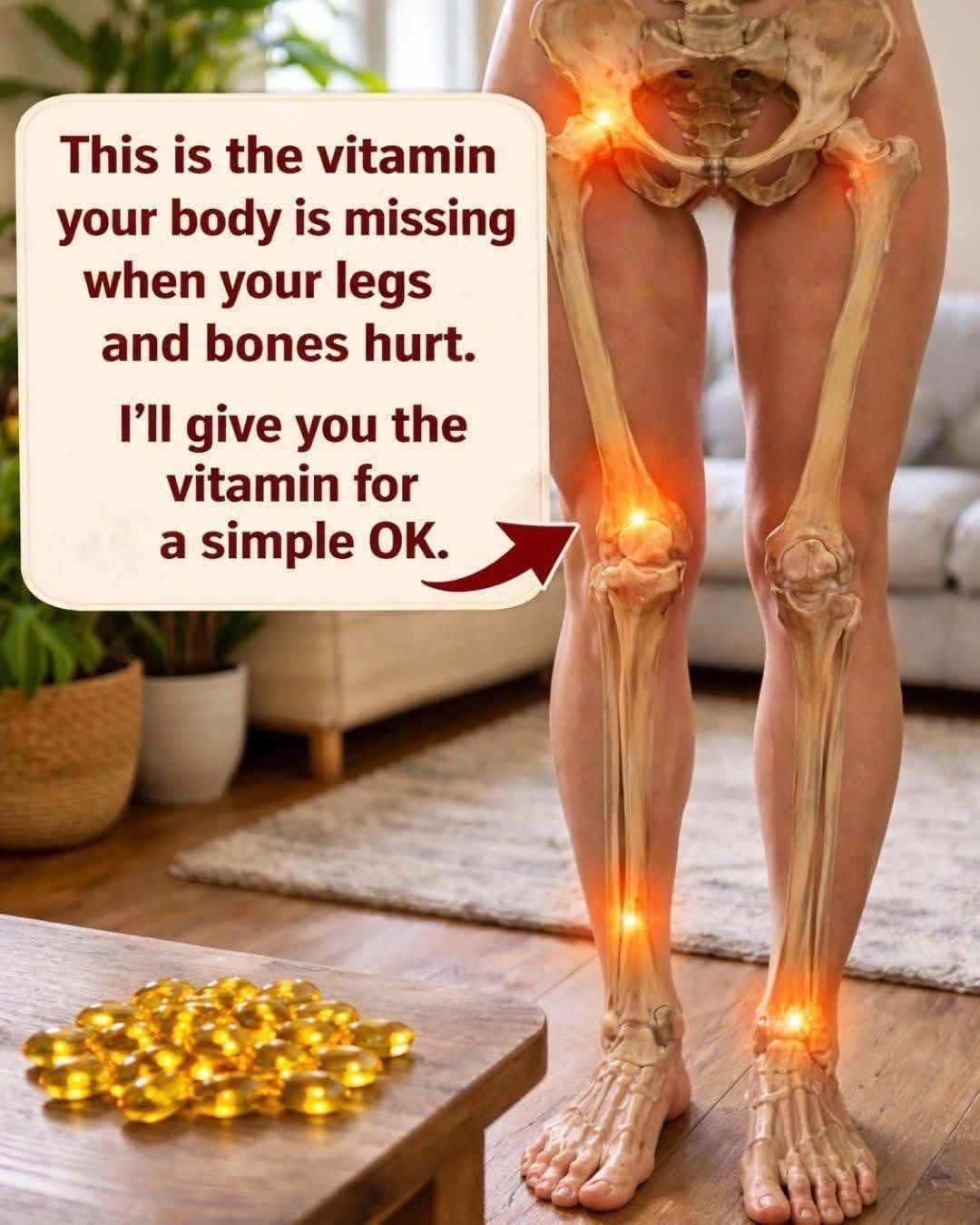
“Vitamin D Warning” is a health-focused concept centered around the importance of maintaining adequate Vitamin D levels for strong bones, healthy muscles, and overall wellness. Often called the “sunshine vitamin,” Vitamin D plays a critical role in helping the body absorb calcium and maintain skeletal strength. This guide explores the origins, significance, nutritional value, and practical ways to support healthy Vitamin D intake naturally and through diet.
Origin
Vitamin D gained scientific attention in the early 20th century during research into rickets, a disease causing weak and deformed bones in children. Scientists discovered that sunlight exposure and certain foods could prevent the condition. Over time, Vitamin D became recognized worldwide as an essential nutrient for bone health, immune support, and muscle function.
Natural sources include:
- Sunlight exposure
- Fatty fish
- Egg yolks
- Fortified dairy products
- Supplements
Cultural Significance
Across many cultures, sunlight has long symbolized vitality, healing, and strength. Traditional lifestyles involving outdoor labor naturally supported healthy Vitamin D levels. In modern societies, indoor living and reduced sun exposure have increased awareness of Vitamin D deficiency.
Today, Vitamin D awareness campaigns are common in:
- Healthcare communities
- Fitness and wellness programs
- Nutritional education
- Elderly care initiatives
The phrase “Vitamin D Warning” reflects growing public concern about bone pain, fatigue, and weakened immunity linked to deficiency.
Ingredients Quantity
Essential Ingredients
| Ingredient | Quantity |
|---|---|
| Salmon or fatty fish | 100–150 g |
| Egg yolks | 2 |
| Fortified milk | 1 cup |
| Mushrooms (UV-exposed) | 1 cup |
| Orange juice (fortified) | 1 glass |
| Vitamin D supplement (optional) | As directed |
Optional Additions
To enhance nutritional balance and absorption:
- Calcium-rich foods
- Magnesium supplements
- Leafy green vegetables
- Chia or flax seeds
- Healthy fats like olive oil or avocado
Tips for Success
- Spend 10–30 minutes in sunlight several times weekly.
- Pair Vitamin D foods with healthy fats for better absorption.
- Avoid excessive processed foods that may reduce nutrient quality.
- Maintain regular physical activity for stronger bones.
- Consult a healthcare professional before high-dose supplementation.
Instructions
Daily Wellness Routine
Morning
- Drink fortified milk or orange juice.
- Spend time outdoors in natural sunlight.
Lunch
- Include fatty fish or eggs in meals.
Evening
- Add mushrooms or leafy greens to dinner.
- Take supplements only if recommended.
Weekly
- Monitor symptoms such as fatigue, muscle weakness, or persistent bone discomfort.
Description
“Vitamin D Warning” represents a reminder to care for bone and muscle health before deficiency symptoms become severe. Adequate Vitamin D supports:
- Bone density
- Calcium absorption
- Immune health
- Muscle function
- Mood balance
Low levels may contribute to:
- Bone pain
- Muscle aches
- Weakness
- Fatigue
- Increased fracture risk
Nutritional Information
Approximate Nutritional Benefits
| Nutrient | Benefit |
|---|---|
| Vitamin D | Supports bone and immune health |
| Calcium | Strengthens bones and teeth |
| Omega-3 fats | Reduces inflammation |
| Magnesium | Helps Vitamin D activation |
| Protein | Supports muscle maintenance |
Conclusion
Vitamin D is one of the body’s most important nutrients for maintaining strong bones, healthy muscles, and overall vitality. “Vitamin D Warning” highlights the importance of balanced nutrition, sunlight exposure, and preventive health awareness in modern lifestyles.
Recommendation
For optimal wellness:
- Eat Vitamin D-rich foods regularly.
- Maintain moderate sun exposure safely.
- Stay physically active.
- Get periodic blood tests if deficiency is suspected.
- Seek professional medical advice for persistent symptoms.
Embracing Healthful Indulgence
Taking care of your body does not require extreme measures. Simple daily habits—nutritious meals, sunlight, exercise, and mindful wellness choices—can help maintain healthy Vitamin D levels naturally. “Vitamin D Warning” serves as both a reminder and motivation to prioritize long-term bone and body health through balanced living.